Culinary Herbalism: Foraging & Flavor Magic with Wild Rose & Hibiscus Powder – Part 1
By Laura Helena Culinary Herbalist & Eco Artist
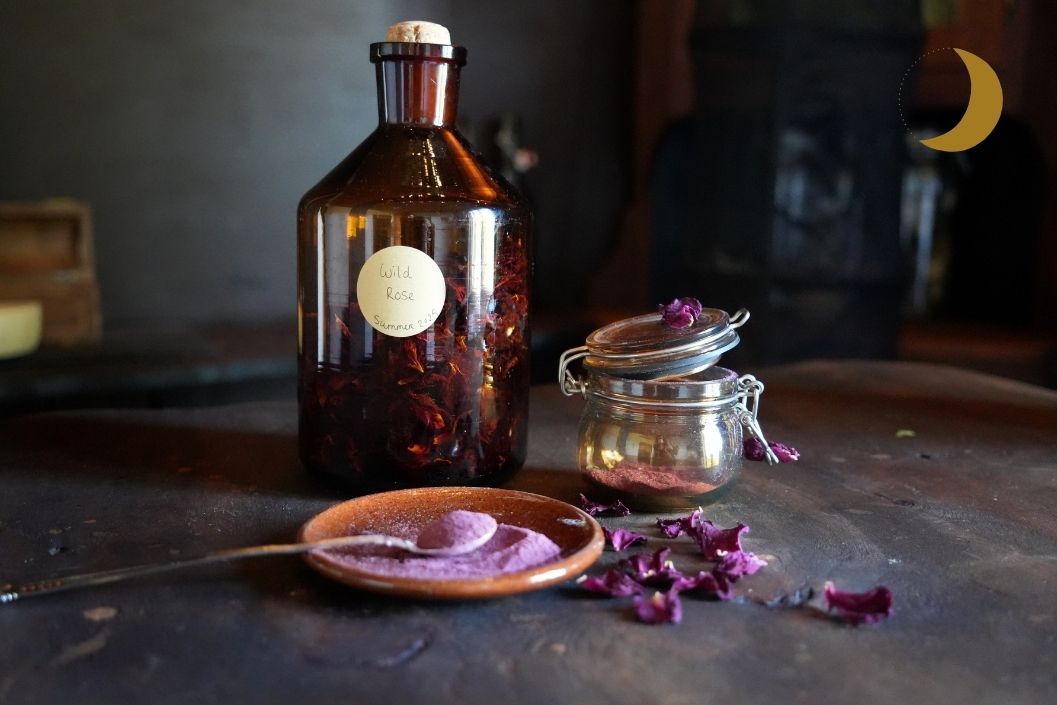
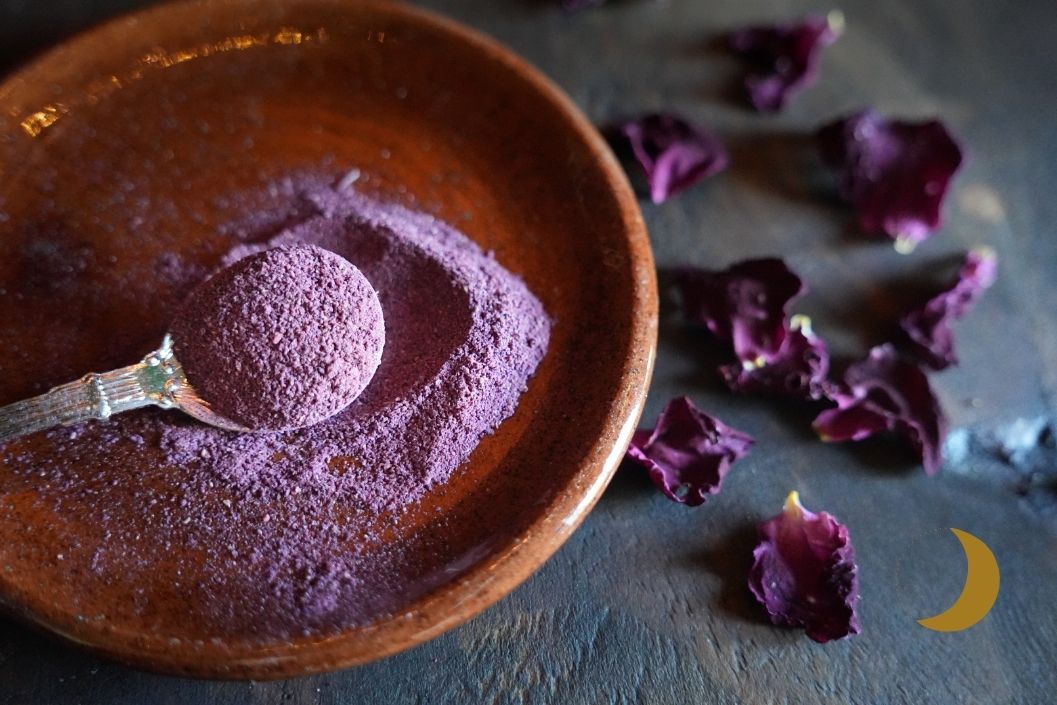
Northern Sweden gifted me a lush summer of wild roses this year. I foraged fragrant petals of the rugosa rose growing wild in open meadows. After drying them, I combined them with dried hibiscus. The result is a vibrant, aromatic powder that is not only delicious but medicinally rich.
Let’s dive into the healing properties, flavor magic, and in part two we will go into culinary uses of this wild, floral duo.
Foraging Wild Rose
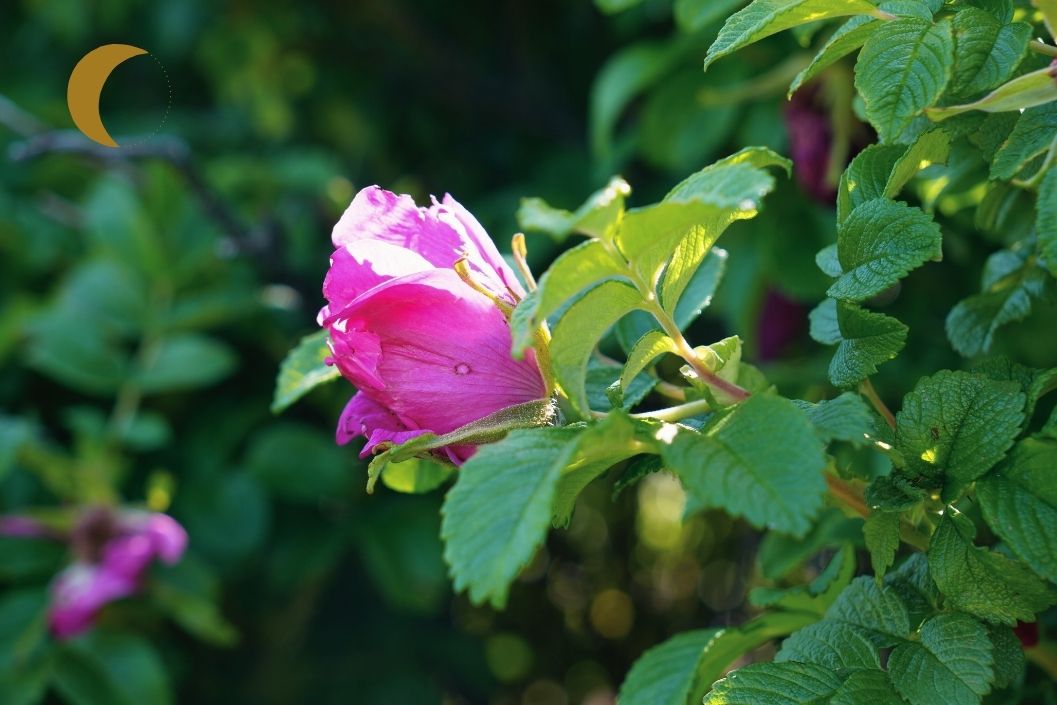
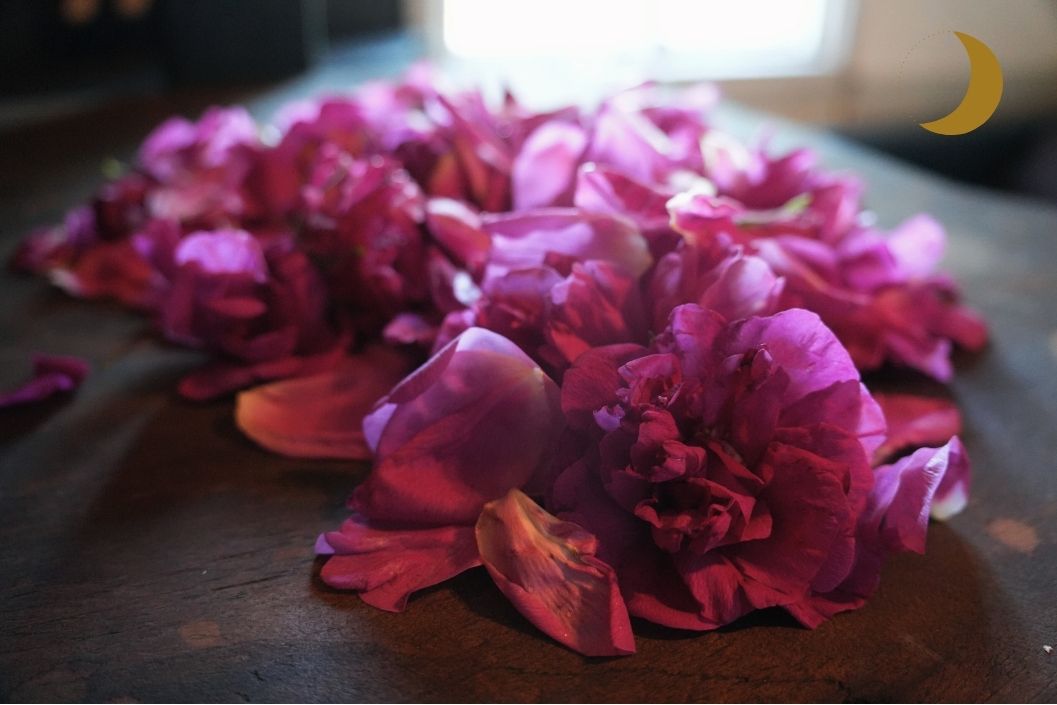
Foraging wild roses, such as Rosa rugosa, requires attention to location and timing. I gathered my roses in natural areas with rich biodiversity, away from roads and pollution. Make sure you harvest at least 10 meters away from a road. The best time to pick rose petals is on a dry, sunny day when the flowers are fully open and their fragrance is strongest.
Only harvest healthy, fresh petals and always leave enough on the plant to allow it to recover and continue blooming. This way the rosehip can also still form. If you harvest all leaves, the rosehip will not form.
Mindful foraging respects nature and ensures the quality of your wild harvest.
Why Combine Wild Rose and Hibiscus?
Both wild rose and hibiscus offer floral and tart notes in my Wild 7 flavor palette, but in completely different ways. Together, they create a layered, dynamic blend that’s bright, deeply aromatic, and grounding all at once.
Wild rose is intensely perfumed and sweet-floral, with a soft, velvety elegance.
Hibiscus brings a sharp-tart and fruity sourness, like red berries with attitude.
The floral lifts, the tart awakens. It’s a synergy of uplifting and cooling, making the powder a sensory and functional powerhouse: ideal for teas, desserts, or even as a vibrant botanical pigment in your eco-art.
Important note: Avoid using store-bought or conventional roses, such as those from florists or garden centers, as they are often sprayed with pesticides and not safe for internal use.
Medicinal Properties
Wild Rose
Rosa rugosa (or Rosa canina, depending on your local species)
Wild rose petals are cooling, soothing, and emotionally balancing. Traditionally used for:
Nervous system support
Skin healing
Gentle digestion aid
-
High in vitamin C, polyphenols, and subtle astringents that tone tissue.
Hibiscus
Hibiscus sabdariffa (often called roselle)
This bold, sour, crimson botanical is loved across cultures. It is traditionally used for:
Cardiovascular health
Healthy blood pressure
Liver function & detox
It's rich in anthocyanins, antioxidants that fight inflammation.
Together, they offer a cooling, heart-supportive, antioxidant-rich blend that is as medicinal as it is beautiful.
Flavor Profile Using the Wild 7
Here’s how these botanicals fit into my Wild 7 palette:
Flavor Notes Wild Rose
Floral: Perfumed, sweet floral
Tart: Subtle, especially from rosehips
Sweet: Natural, soft sweetness
-
Earthy: Light, particularly when dried
Flavor Notes Hibiscus
Floral: Fresh floral, with fruit undertones
Tart: Sharp-tart, bright, almost citrusy
Sweet: Balanced by the tartness
-
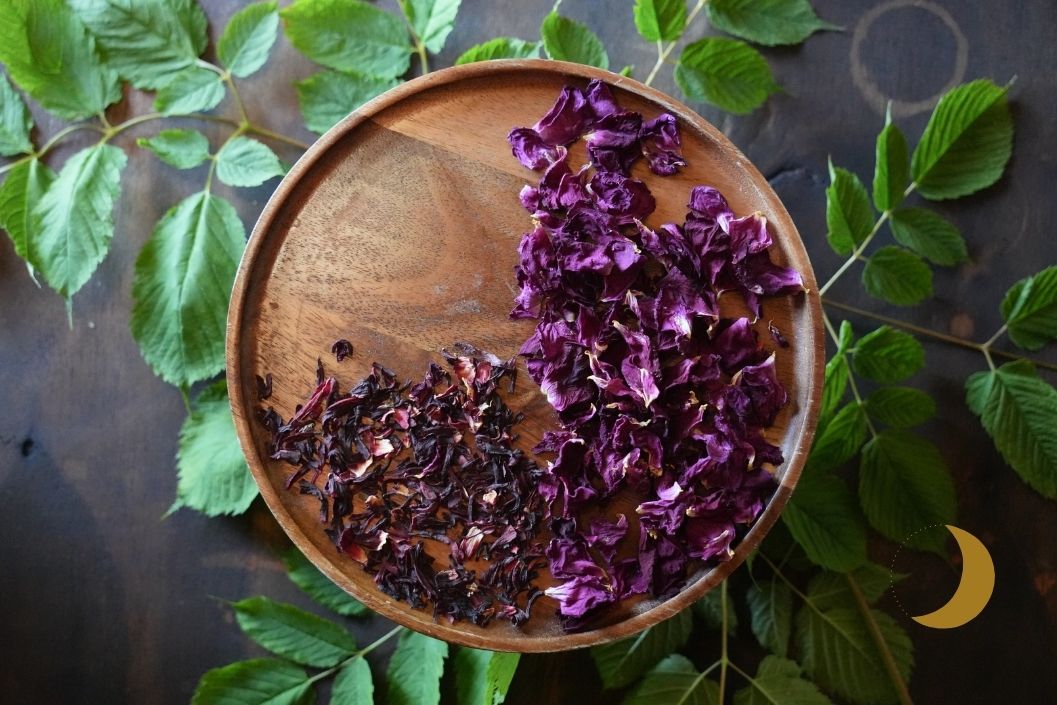
Earthy: Slight, in the dried calyx (the deep red outer part that once held the hibiscus flower)
How to Make Rose & Hibiscus Powder
Making your own blend is simple and can be used for many purposes.
You’ll need:
Dried wild rose petals
Dried hibiscus petals or calyces
Instructions:
Ensure all petals are bone dry to prevent clumping or spoilage.
Use a spice grinder or high-speed blender to powder each plant separately*.
Sift through a fine mesh if you want a silky powder.
Blend in your preferred ratio (I love 2 parts rose : 1 part hibiscus for a more floral note).
Store in an airtight glass jar away from light and heat. Use within 6 months for full vibrancy.
*Rose and hibiscus should be ground separately because they differ in texture and moisture content; processing them individually ensures a finer, more even powder, preserves their unique aromas and colors, prevents clumping, and allows for better control over the final blend ratio.
Final Thoughts: From Forest to Flavor
Wild rose and hibiscus connect heart, body, and taste. They are cooling and toning, while also being joyful and expressive in flavor.
This vibrant powder blends nature’s beauty with potent healing qualities, making it a wonderful addition to your herbal kitchen and apothecary. Whether you’re foraging your own wild roses or sourcing quality hibiscus, creating your own rose-hibiscus powder is a rewarding way to connect with the plants around you.
In part 2 of this article, I’ll share creative recipes and eco-art ideas that let this magical powder shine in both flavor and color. Stay tuned!
Interested in going deeper?
Explore my online video courses on culinary herbalism and eco art. Learn to turn wild plants into edible medicine, color, and creative rituals.