The Wild 7 Flavors: Rediscovering a Hidden World of Taste in Nature
In the world of wild foraging, there is an entire spectrum of forgotten flavors waiting to be rediscovered. Wild foraging reveals unique flavor profiles that go beyond the conventional categories of taste. These wild flavors not only awaken the senses but also deepen our connection with nature. In this article, I explore the Wild 7 Flavors, how they differ from standard taste types, and how I integrate this approach into my upcoming Culinary Herbalism courses.
What Are the Wild 7 Flavors?
I have identified seven distinct flavor profiles that can be found in edible wild plants: Green, bitter, floral, tart, earthy, sweet, and umami. These categories help us understand wild plants on a deeper level, considering not just their taste, but also how they feel, where they grow, and the role they play in the ecosystem.
Green
Green flavors, found in plants like wild garlic and nettles are fresh and vibrant. These flavors evoke the vitality of the wild landscape, offering a clean, herbaceous taste that is refreshing and nourishing. Green flavors are often associated with new growth and seasonal change.
Bitter
Bitter flavors, found in plants like dandelion and yarrow, are bold and grounding. These plants have a long history of supporting digestion, helping to clear excess heat, and bringing balance to the body. The bitterness in wild plants is often paired with other flavors, offering therapeutic properties that connect us to the earth and promote well-being.
Floral
Floral flavors come from blossoms and tender leaves, such as wild rose or elderflower. These delicate, fragrant flavors evoke a sense of freshness and lightness, often capturing the essence of blooming plants. They bring a soft, aromatic sweetness that can uplift the spirit and highlight the vitality of nature’s cycles.
Tart
Tartness comes from wild fruits like sea buckthorn or cloudberries. This sharp, refreshing flavor wakes up the palate and adds brightness to dishes, providing a tangy, vibrant quality that enhances the other flavors.
Earthy
Earthy flavors connect us to the soil, roots, and mushrooms. Chaga mushroom or roasted dandelion root carry deep, mineral-rich flavors that ground us in the landscape, bringing a sense of richness and depth to meals.
Sweet
Wild sweetness is subtle and clean, found in plants like raspberry leaves or wild strawberries. Unlike refined sugars, this sweetness is soft and fleeting, offering a natural, pure sweetness that feels less overpowering and more balanced.
Umami
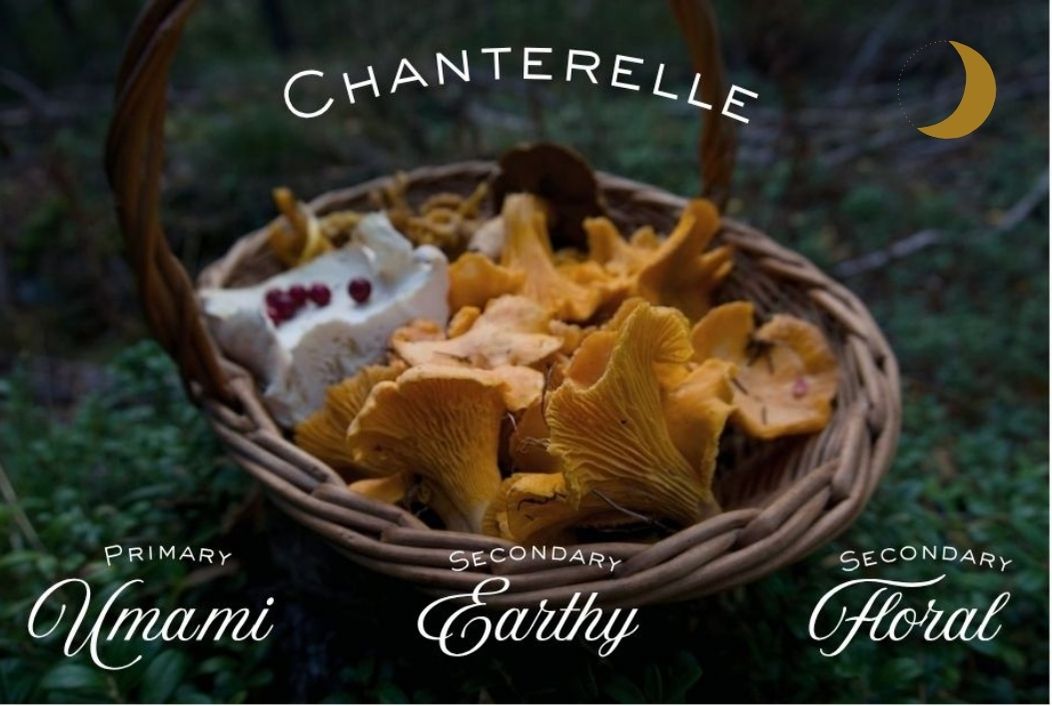
Umami, found in mushrooms like chanterelles or seaweeds, is a savory and rich flavor that adds depth to food. This flavor enhances the complexity of dishes and connects us to the earth, providing a grounded and satisfying taste experience.

How Wild Flavors Differ from Conventional Tastes
Most of us are familiar with the five basic taste categories: sweet, salty, sour, bitter, and umami. But wild flavors offer something different: a sensory map rooted in the raw, seasonal essence of plants. Here’s how the Wild 7 Flavors differ from the traditional tastes:
Green: Green flavors are fresh and grassy, often found in young leaves and shoots. They provide a clean, light taste that adds a natural, vibrant element to dishes.
Bitter: While we often avoid or mask bitterness in modern cuisine, in wild foraging, bitter flavors are central, offering both nutritional and energetic balance.
Floral: Floral flavors are often delicate and seasonal, giving us a taste of nature’s softer, lighter side.
Tart: The tartness in wild fruits is more vibrant and refreshing than the sourness we associate with lemons or vinegar.
Earthy: Earthy flavors offer a grounding experience, rich with minerals, unlike the processed flavors we’re used to in most modern foods.
Sweet: Wild sweetness is refined and clean, a far cry from the intense sweetness of refined sugar, bringing a more subtle and natural taste.
Umami: While umami is more widely recognized in recent years, in wild foraging, it has a depth that is connected to the earth and sea, offering a rich, savory flavor that enhances the whole dish.
These wild flavors allow us to cook with more depth, tune into the seasons, and nourish ourselves in intuitive and holistic ways.
The Role of the Wild 7 Flavors in My Work
In my approach to Culinary Herbalism, the Wild 7 Flavors are a foundational tool. Rather than relying solely on conventional taste categories, I use these wild flavors to better understand the complexity and spirit of edible plants.
These flavors form the starting point in all of my Culinary Herbalism courses. They help students recognize and categorize flavors, explore combinations in food and drink, and form intuitive connections between plants, seasons, and well-being.
Through this flavor language, students are able to cook with more creativity, intention, and connection to the natural world, creating dishes that reflect the full sensory experience of the plants they work with.
Scandinavian Landscapes and Wild Flavors
The wild flavors I work with in Scandinavia, whether from the forests, mountains, or coastal areas, are different from those I found in The Netherlands, but they share many similarities. Though the ecosystems are unique, the core flavors: green, bitter, floral, tart, earthy, sweet and umami, can be found in both landscapes.
For example, in Scandinavia, you might find the fresh taste of spruce or the tang of cloudberries, while in other regions, similar flavors can be found in plants like sorrel or sea buckthorn. This shows how, even with different landscapes, the connection to nature through wild flavors is something we all share.
A New Language of Taste
The Wild 7 Flavors provide a richer, more intuitive way to engage with food and plants. They are not merely categories, but gateways to creativity, connection, and deeper understanding. By embracing these wild flavors, we strengthen our bond with nature, cultivate a more mindful relationship with what we consume, and reconnect to a holistic approach to living.

Birch Sap
A Subtle Sweetness of the Forest
While we've focused on the seven wild foraging flavors, birch sap stands out for its unique, naturally sweet profile. This lightly sweet, mineral-rich drink has a refreshing, clean taste that captures the essence of spring. Harvested directly from the birch tree, it offers a delicate sweetness unlike anything else in the wild. Curious to explore birch sap’s flavor, its sustainable harvest, and its many benefits? Click here to discover more.