The Power of Three: A Healing Drink Rooted in Tradition and Wild Flavor
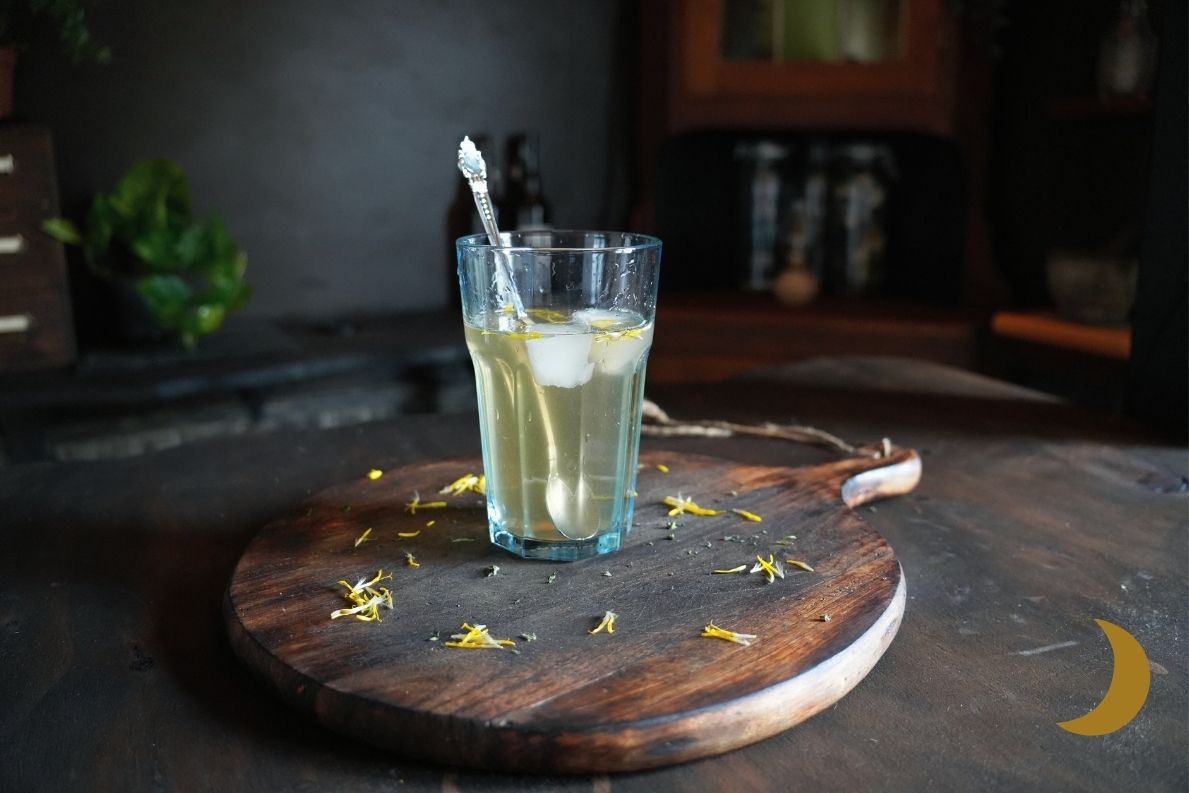
Explore the powerful combination of birch leaf, nettle, and dandelion in this simple yet refined herbal infusion. Rooted in traditional herbal medicine and inspired by the wild flavors of nature, this recipe offers a fresh, healing drink that highlights the synergy between these three Spring plants.
The Classic Herbal Trio: Birch Leaf, Nettle & Dandelion
These herbs have long been valued in herbal medicine for their detoxifying and nourishing properties:
Birch leaf supports gentle detoxification and kidney health with a fresh, green note.
Nettle is rich in minerals and nutrients, providing earthy and slightly bitter tones.
Dandelion leaf and flower offer a cleansing bitter edge balanced with sweet, floral aroma and vibrant color.
Together, they create a harmonious blend that cleanses, nourishes, and refreshes.
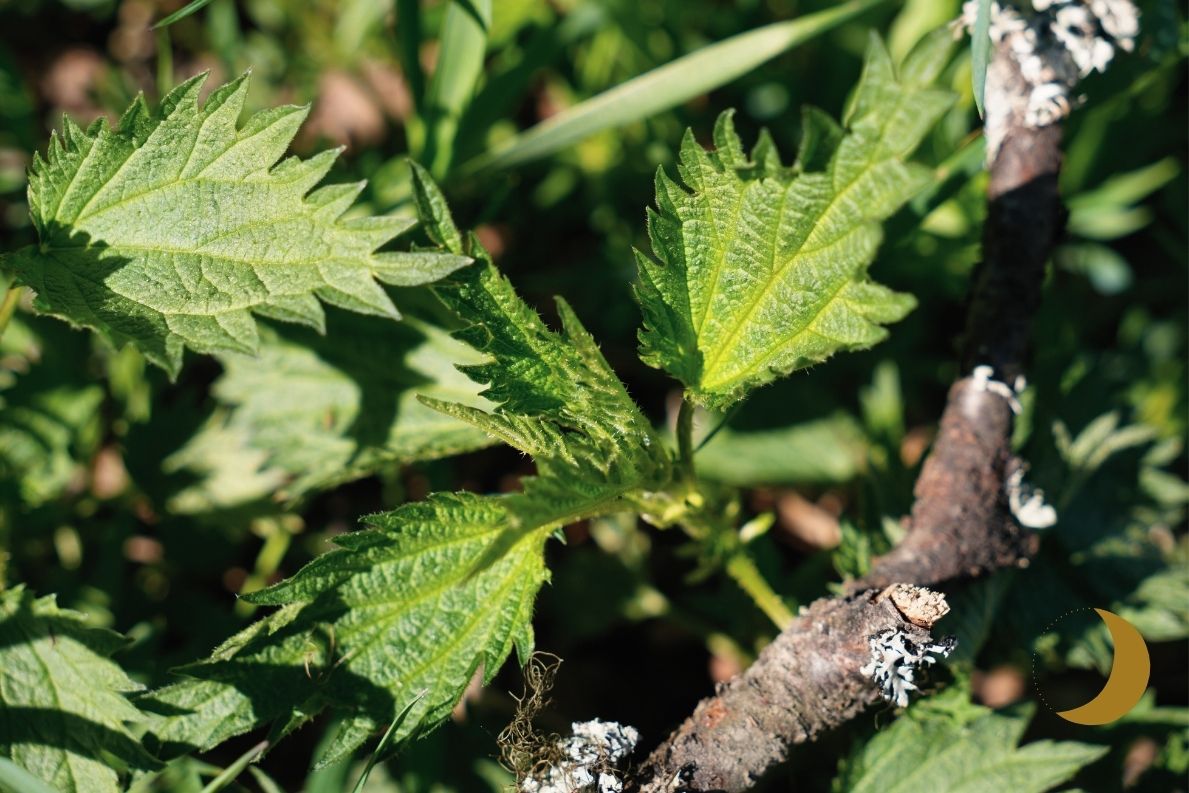
The Wild 7 Flavors
This infusion highlights the Wild 7 Flavors concept, a framework I developed to describe the main taste profiles found in wild herbs: Green, Bitter, Floral, Tart, Sweet, Earthy, and Umami.
Each flavor brings something unique to the table, helping to create a well-rounded and interesting herbal experience.
For a deeper look into this approach, check out my Wild 7 Flavors article.
Recipe: The Power of Three Infusion
Cold-infused blend of birch, nettle, and dandelion for a refreshing, nourishing drink.
For one glass / 250 ml
Ingredients
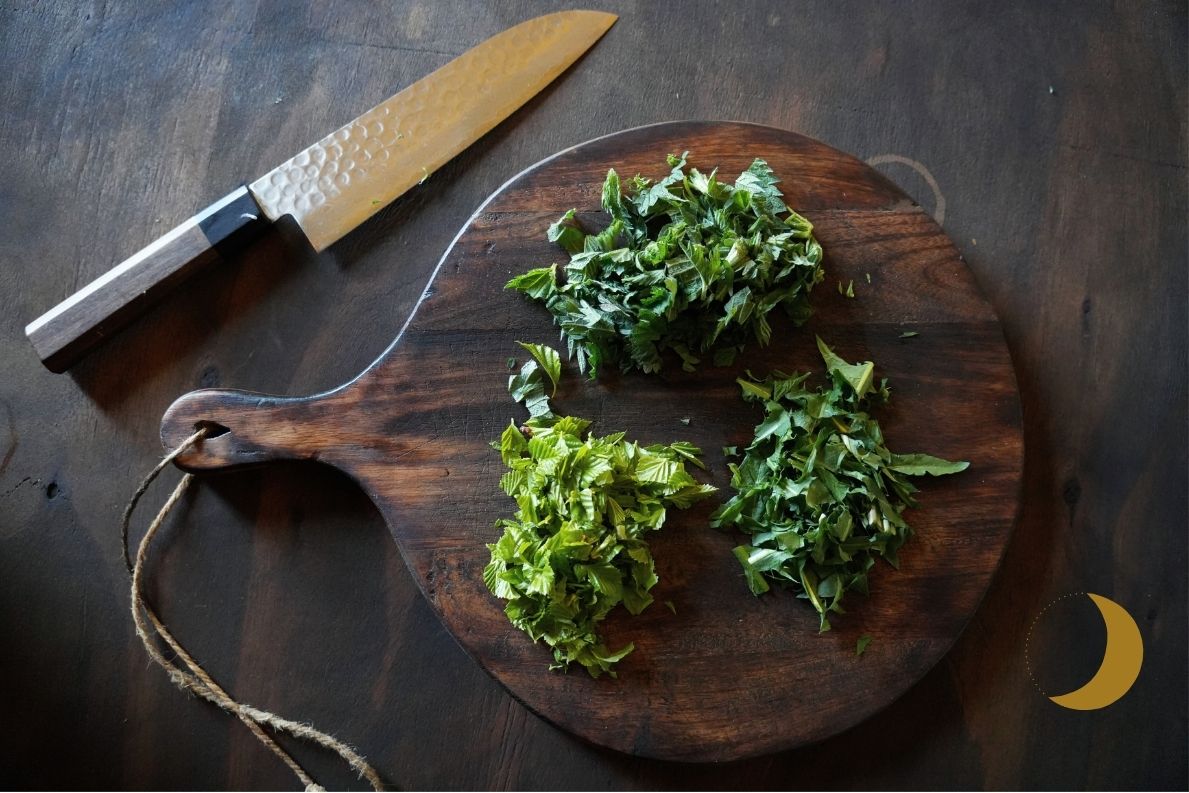
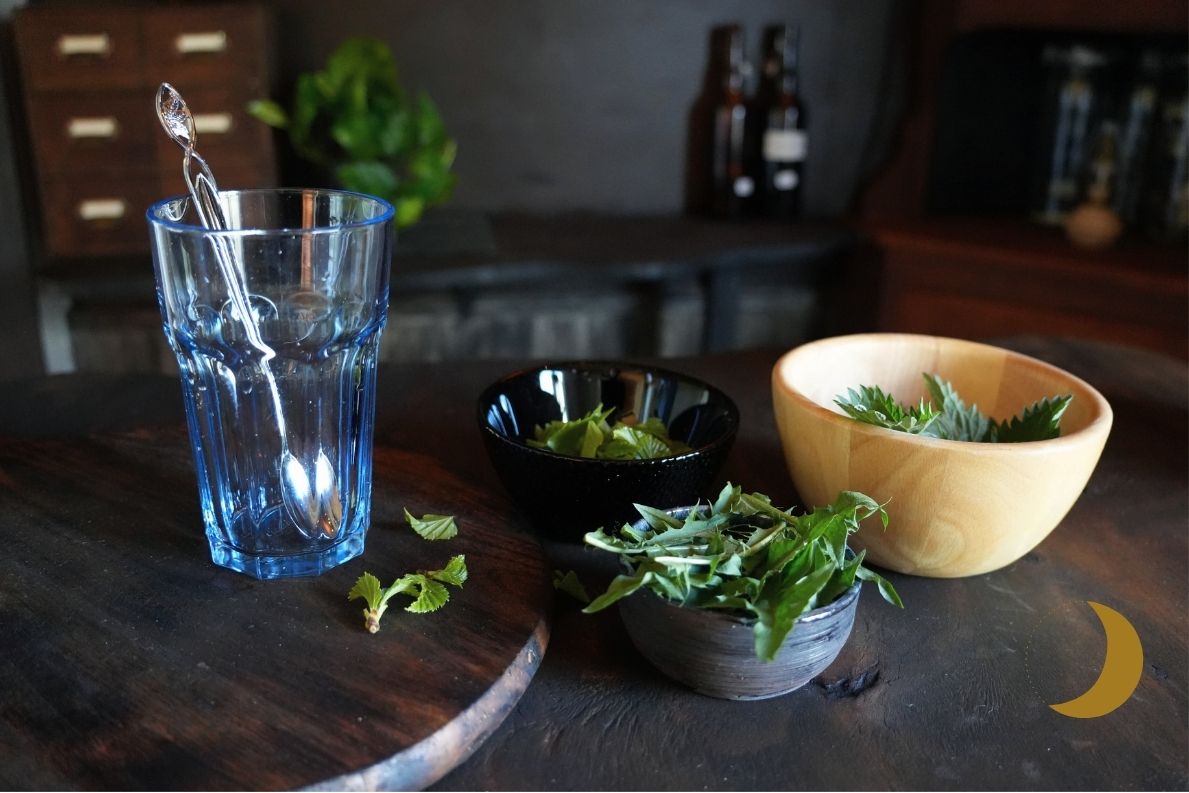
½ cup roughly chopped fresh birch leaves
½ cup roughly chopped fresh nettle leaves
¼ cup roughly chopped fresh dandelion leaves
Additions:
A few fresh dandelion flower petals (added the next day)
1 teaspoon apple cider vinegar (added just before serving)
1–2 ice cubes of frozen birch sap (or ½ teaspoon raw honey or maple syrup, if birch sap is unavailable)
Instructions
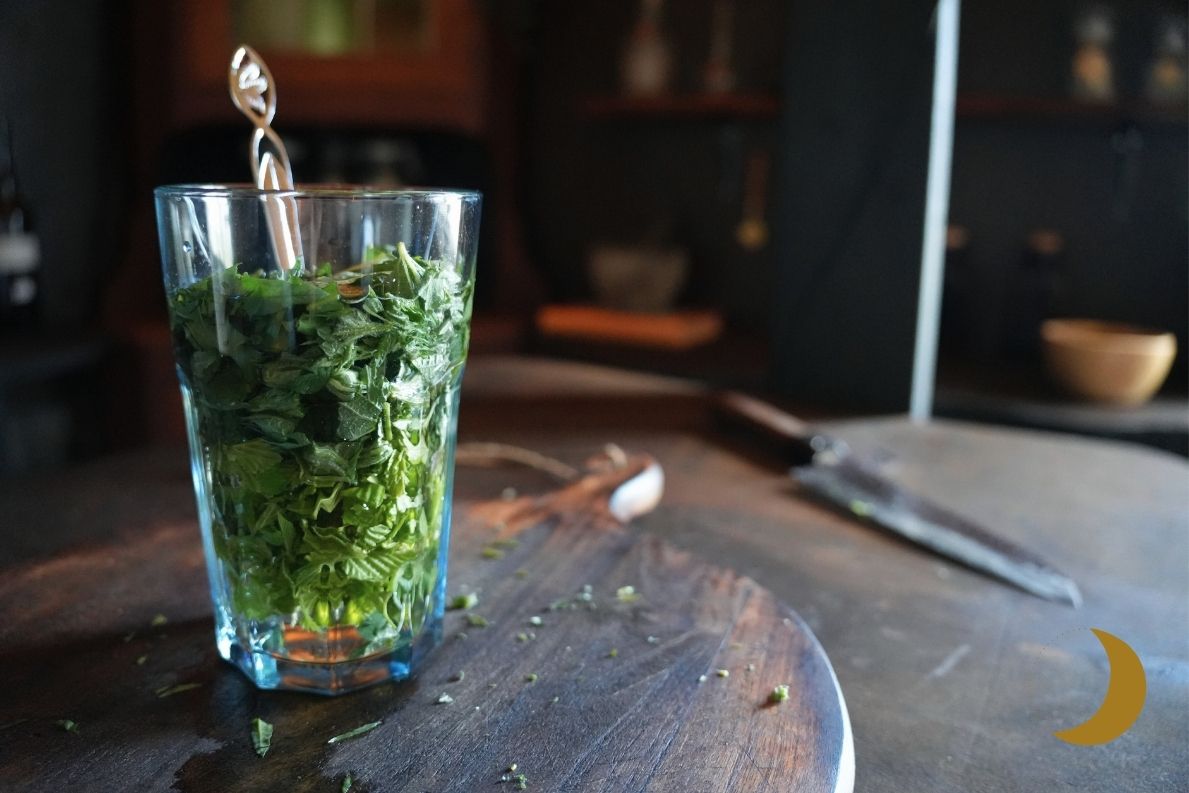
Place the chopped leaves in a clean glass or jar (250 ml).
Fill the glass with cold, filtered water.
Cover and place in the refrigerator. Let infuse for 12 to 24 hours.
Strain the herbs.
Add the fresh dandelion petals.
Add the apple cider vinegar just before serving.
Finish with birch sap ice cubes, or a touch of raw honey or maple syrup.
Serve cold from the fridge.
Behind the Flavor
This infusion is green and alive, with subtle forest notes and soft bitterness. Nettle and dandelion provide earthy depth and minerality. Birch lifts the blend with light freshness.
Apple cider vinegar adds a tart edge that brightens everything, while birch sap (or honey) rounds it out with gentle sweetness and a hint of umami.
Flavor Boost Tip
Cold from the fridge, this infusion comes alive: crisp, clear, and full of wild energy.
Behind the Brew
These small details make a big difference in how your infusion tastes and feels:
Dandelion flowers
Use only the petals, and add them the next day, after straining the herbs.
Add just a few petals for color and aroma; too many, and each sip becomes a mouthful of petals.
Adding whole flowers or steeping them too long can introduce a grassy or slightly off taste. The petals alone provide sweetness, floral aroma, and vibrant color.
Apple cider vinegar
Always add this just before serving.
Don’t worry if the drink turns slightly cloudy after adding the vinegar. It’s a natural reaction and a sign that the flavors are coming together
If added too early, it can dull the fresh green top notes of the herbs and flatten the drink’s brightness.
Birch sap or sweetener
Frozen birch sap ice cubes melt slowly, adding subtle sweetness and umami richness without overwhelming the herbal tones.
If birch sap isn’t available, you can use ½ tsp raw honey or maple syrup. But only if needed. It’s meant as a replacement, not an addition.
Cold infusion timing
Let the herbs infuse for 12 to 24 hours in the fridge.
Taste after 8–12 hours. Wild herbs vary in strength depending on where and when they were harvested. If it’s too intense, you can dilute, or adjust with extra sweetener or birch sap.
Cold or warm
This cold infusion works best with freshly picked herbs.
If you’re using dried herbs, a cold method won’t do these herbs justice. Opt for a warm infusion instead (see below).
Want a Stronger or Wilder Version?
If you're ready to experiment further, here are some ways to take this drink to the next level:
Warm infusion (ideal for dried herbs)
Use 1 tbsp total of dried birch, nettle, and dandelion (flower, leaf ánd root if available). Or use the fresh amount from the recipe above.
Steep in just-boiled water (covered) for 15–20 minutes.
This version is more grounding and medicinal, with a stronger bitter profile.
Fermented herbal tonic
Turn your infusion into a probiotic herbal soda.
Basic formula:
1 liter herbal infusion
2 tablespoons sugar (minimum)
Juice of 1 lemon
½ cup starter culture (water kefir, kombucha, or whey)
Ferment in a sealed glass bottle at room temperature for 1–3 days. "Burp" daily to release pressure. Chill before serving.
This method deepens flavor and function, and is great for those who love wild, living drinks.
Learn to Create with Herbs, Seasonally and Deliciously
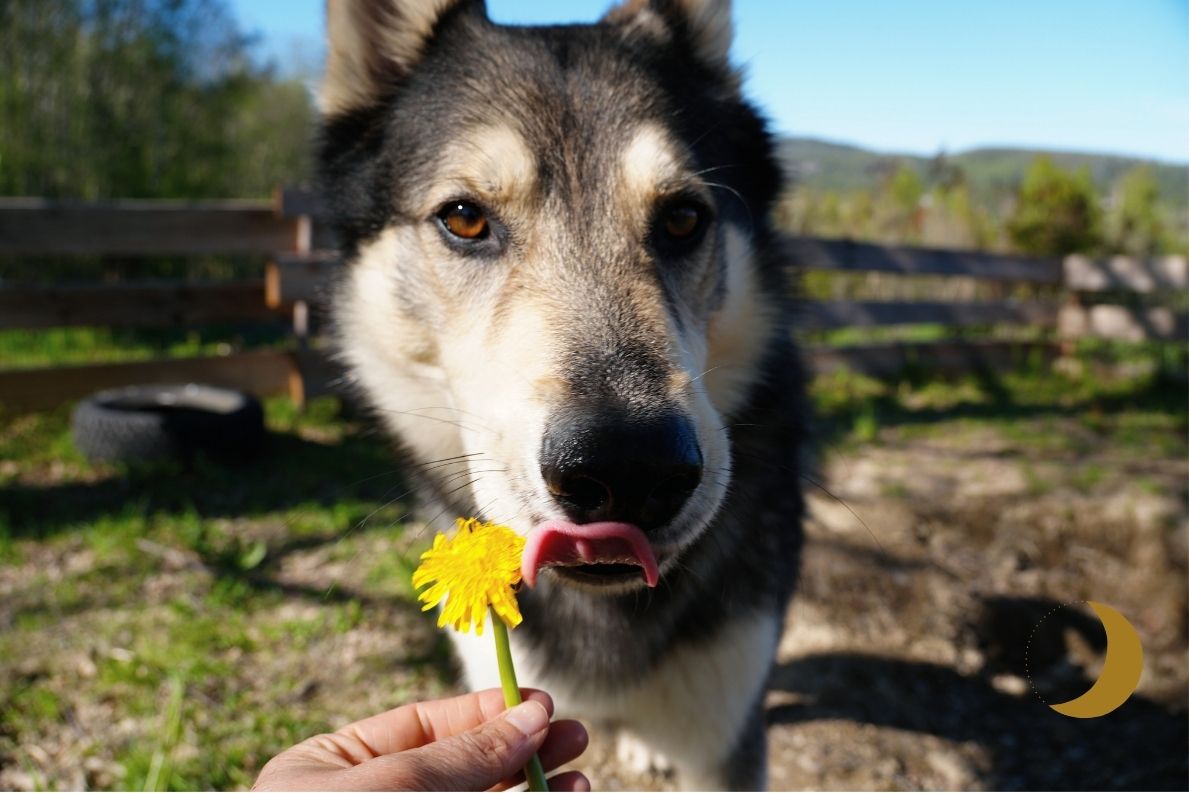
This recipe and everything you have discovered here, from flavor exploration and herbal synergy to practical tips and creative variations, are just a glimpse of what you will experience in my upcoming Culinary Herbalism courses. These courses bring together herbal knowledge, wildcrafting, and flavor for all levels whether you are just curious or already confident with herbs, cooking, or foraging.
You will learn how to work with the seasons, deepen your flavor intuition, and craft your own botanical recipes with confidence and joy.
More details coming soon along with plenty more wild recipes.