Healthy Lilac Preserving Experiments: From Floral Infusions to Flower Jam
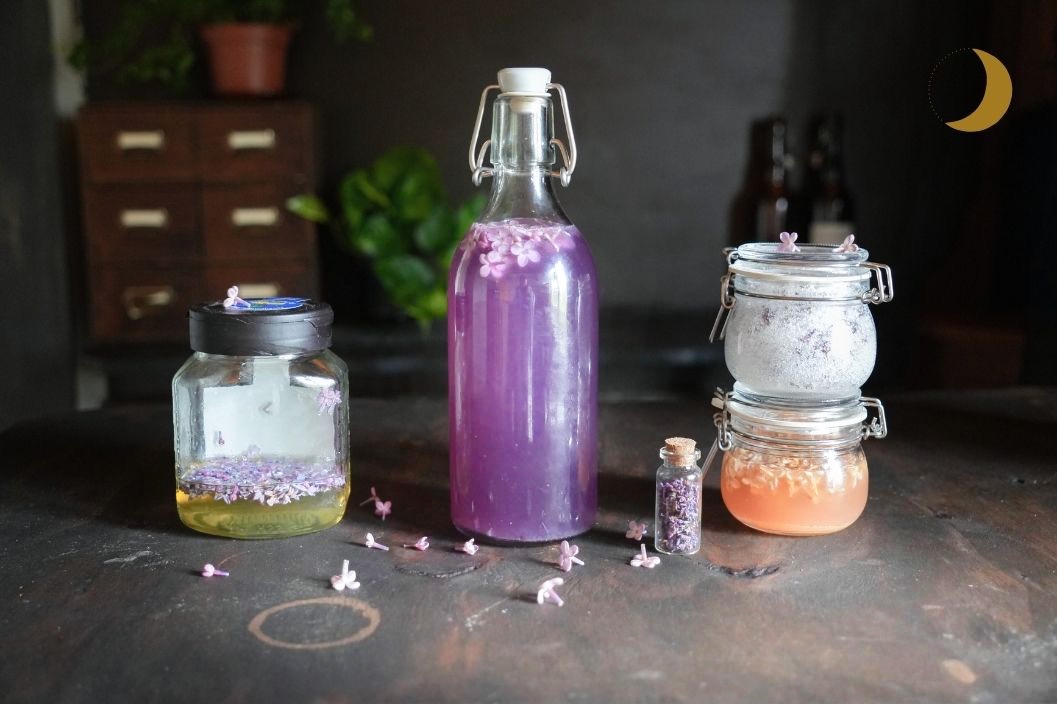
Lilacs are fleeting springtime blossoms with an intoxicating fragrance. And yes, they’re edible too! In this article, I share my hands-on experiments with healthy ways to preserve lilacs, from honey and vinegar infusions to fermented lemonades, freezing, and more.
With each method, I explore what worked, what didn’t, how the flavors developed, and whether it’s worth trying yourself.
Why I Chose These Healthy Preserving Techniques
I chose these preserving methods because they focus on healthy ways to enjoy lilacs while keeping their delicate flavors intact. Preserving with honey, vinegar, freezing, and natural fermentation keeps things simple and nutritious without artificial additives.
That said, healthy eating is about balance and moderation. For example lilac sugar is best enjoyed as a light sprinkle rather than a main ingredient.
Foraging & Preparing Lilacs for Use
Lilacs bloom from late April to late May, depending on your region. You’ll find them in gardens, hedgerows, and parks.
Always make sure they’re unsprayed and chemical-free.
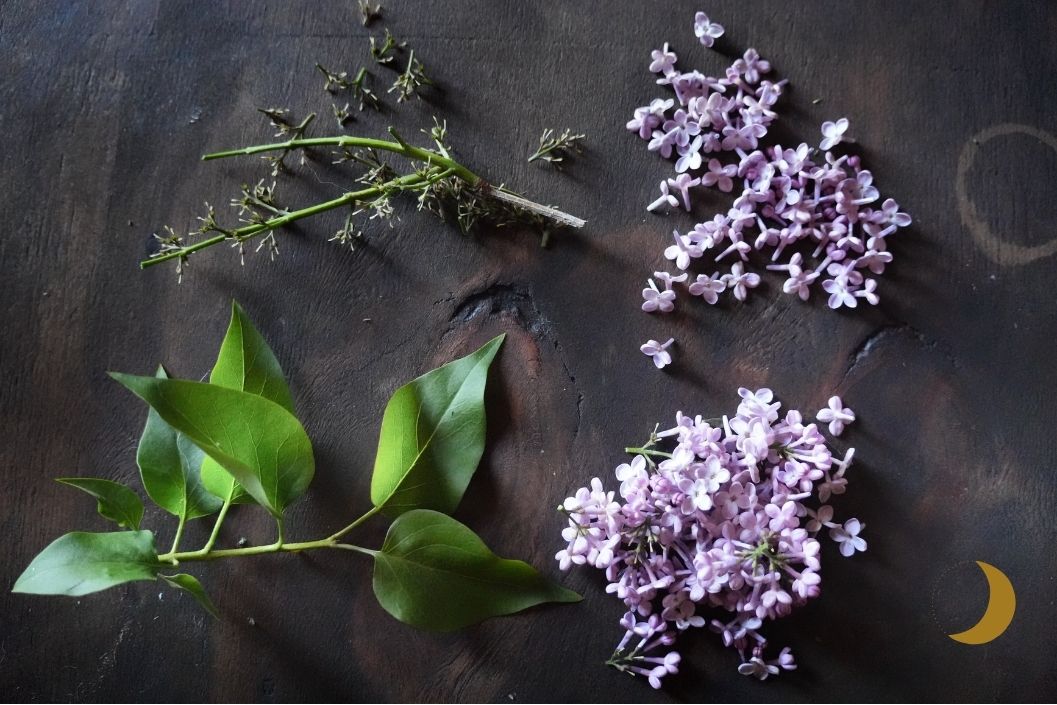
Foraging & Prep Tips:
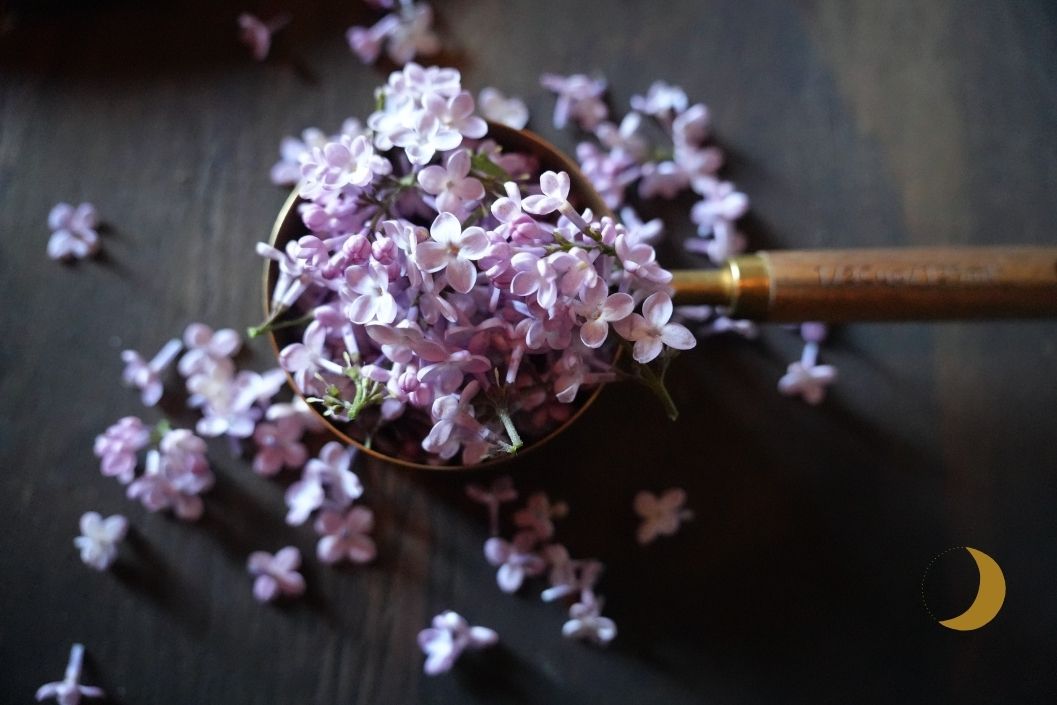
Only use the individual flowers, not the stems or green parts (these aren’t poisonous but can add bitterness and harsh flavors)
Remove all stems. This takes time, but it’s a relaxing handcraft project
Rinse gently to remove insects or debris (or give them a good shake instead)
Use within the same day
What Does Lilac Taste Like
To describe wild plants like lilac I use my own Wild 7 Flavor Palette. It helps me notice how flavors shift in different preparations and how they connect to season body and experience.
Lilac falls mostly into the floral category with sweet perfumed and aromatic notes. In some preparations I also taste hints of bitter especially astringent when used in cold infusions a little tart when raw and a soft green edge in fresher parts.
This way of tasting adds depth to foraging preserves sensory memory and inspires seasonal wild recipes.
If you want to explore more about wild flavors you can read my Wild 7 Flavor article.
Lilac Honey Infusion: A Delicate Floral Delight
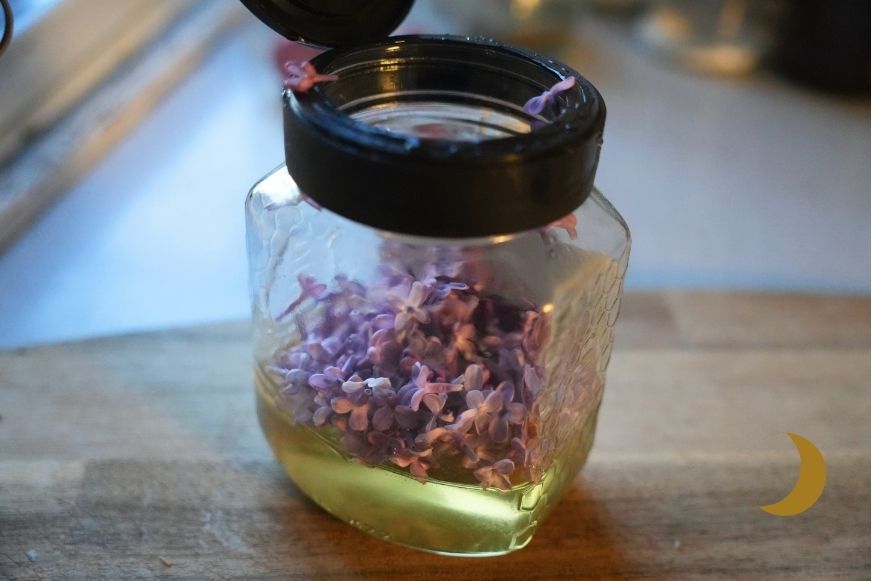
One of my most successful preservation experiments was a lilac honey infusion. I used fresh lilac blossoms and paired them with a light acacia honey. After infusing for a week, the flavor was beautifully subtle and floral-sweet, not overpowering.
I later strained out the flowers and served them on a dessert. Visually stunning and still fragrant.
Lilac Sugar: Delicate flavor but Time-Consuming
Lilac sugar has a gentle floral aroma and a light sweetness. I layered fresh lilac flowers with sugar and let it infuse for a week. After that, I had to remove the slightly moist flowers. To make this easier, I spread the mixture on a baking sheet to air dry before separating the flowers. While this process was a bit tedious, it is important because leaving the flowers in too long can make the sugar bitter.
The flavor is subtle, floral, and sweet, but very pleasant. I also added butterfly pea powder to the sugar, which gave it a soft blue color that turns into a beautiful purple when mixed into liquids, perfectly capturing the essence of lilac. This lilac sugar is wonderful for sprinkling on cookies or as a base for a fermented drink.
Lilac Vinegar: A Failed Fresh Experiment
I made a lilac-infused apple cider vinegar using fresh blossoms, but unfortunately, the experiment flopped. The vinegar turned cloudy, the flavor was off, and the result was bitter and unpleasant.
Lesson learned: fresh lilacs may not be ideal for vinegar. I still want to try infusing vinegar with dried lilacs, which I suspect will give a clearer, cleaner result.
Drying Lilacs: Better Than Expected
Contrary to popular belief, dried lilacs retain quite a bit of color and scent, at least for a short time. I removed the flowers from the stems and dried them in my DIY drying tower. This tower provides excellent air flow, although I do gently move the flowers by hand at least once a day. It is important to dry the flowers in a well-ventilated, dark area. You can also hang bunches on their stems from a rope, but I prefer to remove the flowers individually to prevent them from falling to the ground.
I was surprised by how purple and fragrant they remained. While drying does dull some of the freshness, I still find the dried lilacs useful for tea blends or light infusions.
Freezing Lilacs: Pretty and Practical
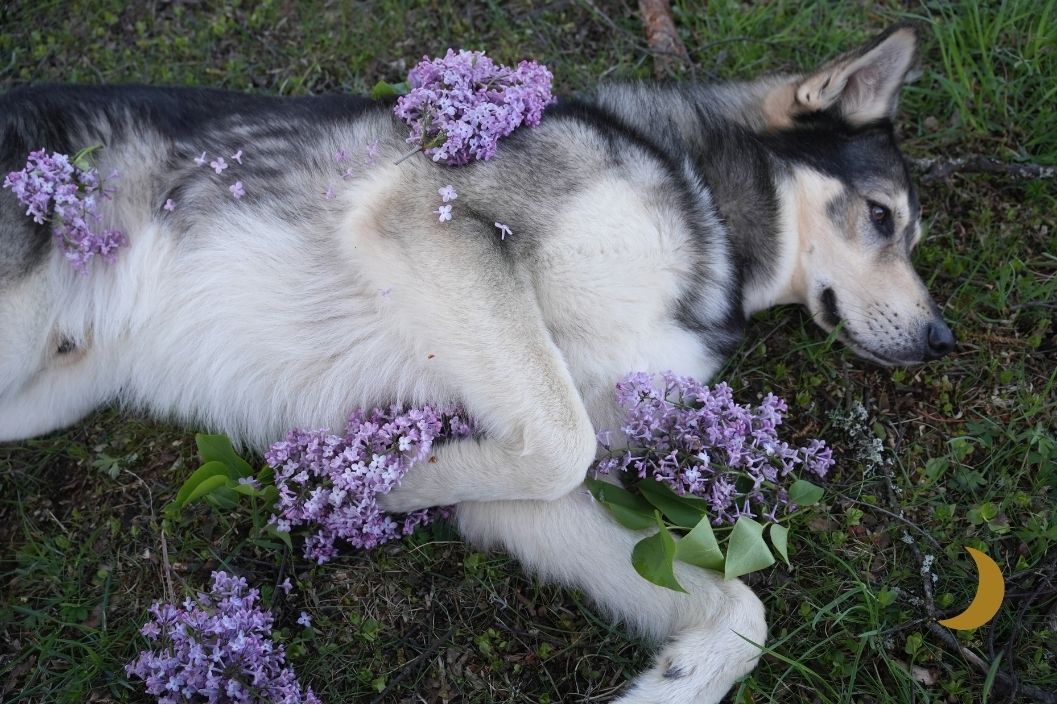
I flash-froze fresh lilac blossoms on a baking sheet, then transferred them to a freezer bag. When thawed, the texture was slightly soggy, but the blossoms still worked great in cold or warm infusions.
Bonus: frozen lilacs in ice cubes are visually stunning in drinks!
Cold Lilac Infusion & Probiotic Lemonade
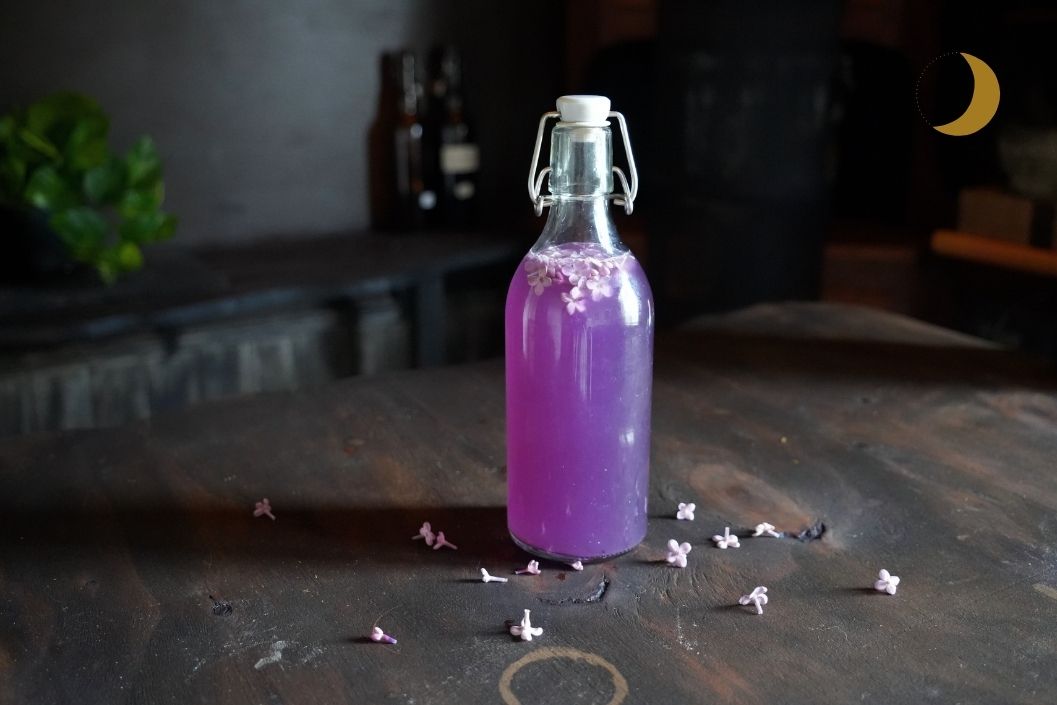
This was hands down one of my favorite experiments. I infused cold water with fresh lilac blossoms overnight, creating a lightly floral, fragrant base.
From this, I made a probiotic lilac lemonade with active waterkefir (you can also use whey, kombucha or a ginger bug), lemon juice, sugar, some lilac flowers and a pinch of butterfly pea flower powder for a magical color. It was floral, refreshing, and not overpowering. I absolutely recommend a fermented lilac drink!
Raw Lilac Jam: A Surprising Success
I made a no-cook lilac jam with fresh flowers, chia seeds, birch sap, and honey. I mixed it together and left it overnight in the fridge. The result was a light, floral jam that paired beautifully with pancakes.
Eating Fresh Lilacs: Strong Flavor, Different Opinions
Fresh lilac blossoms have a strong floral flavor with slightly bitter notes. I tried them raw in various dishes. On their own there sharp and strongly perfumed flavor is a bit much for my taste. My husband Jesse on the other hand really enjoyed their pungent and intense taste.
I recommend using them sparingly as a fresh garnish just a flower here and there and always taste test your variety before using.
Why I Skipped Tinctures and Perfume Oil
Why not a lilac tincture?
Although tinctures are popular among foragers, I decided against making one with lilac. The medicinal value is too low to justify the alcohol extraction, especially since lilac shines most in culinary use.
Why not jojoba perfume oil?
I also considered infusing dried lilacs in jojoba oil to make a natural perfume. But lilac’s aroma is incredibly hard to preserve naturally. most lilac perfumes are synthetic for a reason. The infusion process is long, and the results often underwhelming. So I decided to focus on the culinary magic instead.
Final Thoughts: Top Picks for Preserving Lilacs
Out of all my preservation experiments, these three stand out:
Cold water infusion & probiotic lemonade – refreshing and magical
Lilac honey infusion – soft, floral, versatile
Frozen lilacs - practical and visually lovely
Thank you for reading. I hope these healthy lilac preserving methods inspire you to try your own experiments and enjoy the delicate flavors of lilacs throughout the year. If you try any of these techniques, please share your experiences or questions in the comments. Happy foraging and preserving!