Responsible Birch Tapping: How to Harvest Birch Sap with Care
Birch trees help keep forests healthy. They clean the air, support wildlife, and share their sap with us every spring. Tapping birch sap is a beautiful tradition, but like all interactions with nature, it should be done with respect and responsibility.
If you’re looking to harvest birch sap sustainably, this guide will show you how to tap birch trees responsibly, with care for both the environment and the tree.
Why Birch Sap is Special: Nutritional and Medicinal Benefits
Each spring, as temperatures rise, birch trees begin to move stored water and nutrients from their roots up into the branches to support new growth.
During this short period, it is possible to collect a small amount of this sap directly from the tree.
Birch sap is clear, lightly sweet, and naturally rich in minerals such as potassium, magnesium, manganese, calcium, and a range of antioxidants. It is a living water, full of vitality, and drinking it connects you deeply with the turning of the seasons.
Energy of the forest
Because of its mineral content and gentle sweetness, birch sap is often seen as nature’s own energy drink. In traditional herbal medicine, it has been valued for its cleansing properties, especially in early spring.
Birch sap is sometimes combined with other spring herbs like dandelion and stinging nettle to make revitalizing drinks that support the body's natural renewal processes after winter.

How to Tap Birch Sap Responsibly
Here are key principles for eco-friendly birch tapping:
Choose the Right Birch Tree
Select a healthy tree that is at least twenty centimeters in diameter. Larger trees handle tapping better.
Avoid trees that are already damaged, stressed, diseased, or have visible wounds.
Never tap very young or very old trees. Young trees are still growing; very old trees may not recover as easily.
Look for trees with a straight, strong trunk and a healthy crown of branches.
If a tree has been tapped heavily in previous years (look for scars), choose a different tree to give it time to heal.
-
Never tap on the same spot each year. Always choose a fresh location at least ten centimeters away from old tap holes.

Use the Right Tapping Technique
There are two main ways to tap a birch tree:
Tapping from a Branch
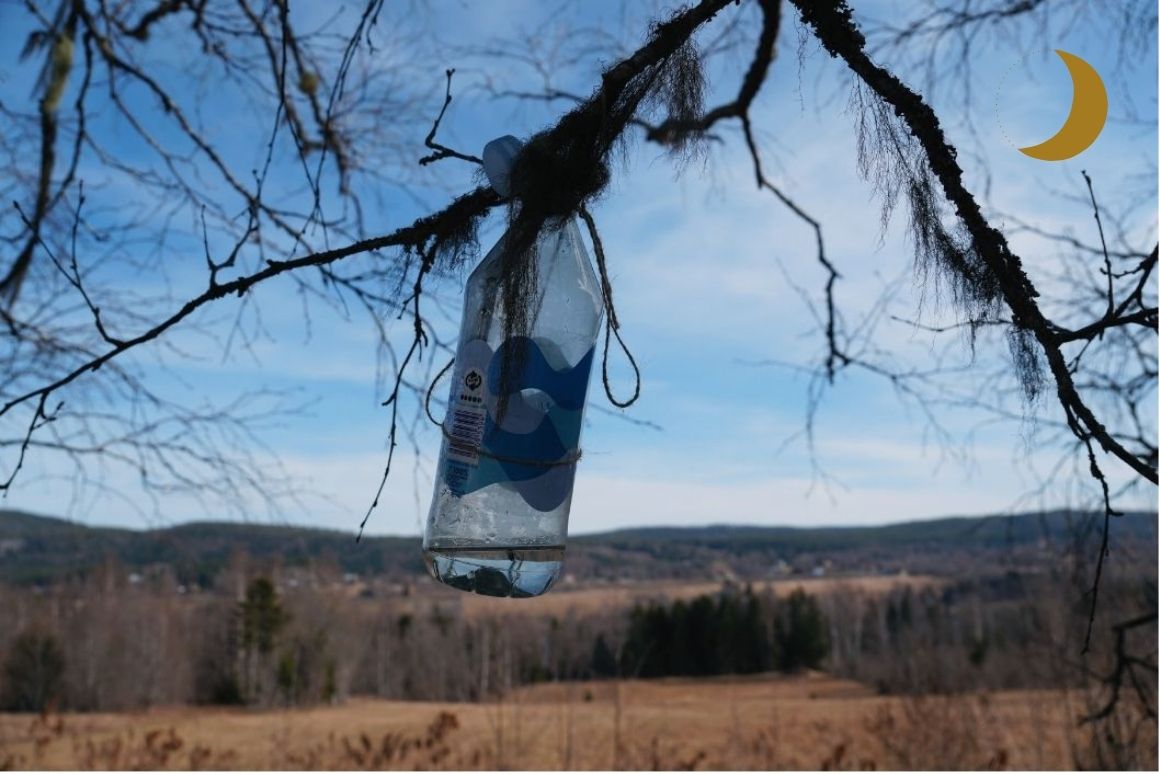
You can collect sap by cutting a young branch about the thickness of your finger and attaching a clean bottle or container. This method is gentler because it does not wound the trunk. Choose a branch that is hanging downwards for gravity to do its work. This will give you about 1/2 cup per day.
Tapping from the Trunks
If you choose to tap directly from the trunk:
Drill a small, shallow hole, no deeper than two or three centimeters, at a slight upward angle.
Insert a clean spile or tube to guide the sap into your container.
Only one tap per large tree is recommended.
-
Limit your tapping to a maximum of two weeks or less.

Harvest Gently: How Much Sap to Collect
Collect no more than 1 to 2 liters of sap per day from a single tree. Taking too much sap can weaken the tree and affect its health.
-
Always listen to the flow: if the sap slows down or stops, remove your spile and stop tapping.
When to Stop Harvesting Birch Sap: Signs from the Tree
As birch trees start to bud and grow new leaves, the sap flow naturally slows down, and the taste changes. Fresh birch sap is sweet and mild, but once the tree shifts into full spring growth, the sap becomes bitter.
This bitterness is a clear sign that it's time to stop tapping. Continuing to harvest after budding can stress the tree and give you lower-quality sap. For the best taste and to protect the health of the birch, always finish tapping before the leaves fully open.
After Tapping: Caring for the Tree
Once you are finished collecting sap, simply remove the spile and leave the hole open. Birch trees have strong natural healing abilities and will close the wound themselves over time.
While some people still plug the hole with wood or wax, this can trap moisture and bacteria, potentially causing more harm than good. Others argue that a clean, breathable plug may help keep insects or fungi out. Opinions vary, but in most cases, allowing the hole to dry naturally gives the tree the best chance to recover cleanly.
Food Safety and Preservation: How to Store Birch Sap
If the sap becomes cloudy, do not drink it. Cloudiness is a sign that it may have started to spoil.
Always refrigerate the sap after collecting it. It will keep for a few days in the fridge.
Fermenting the sap can extend its shelf life. However, in my experience, this means a week at best.
Fermenting the sap with a starter such as active waterkefir (and sugar) is in my opinion a safer and more controlled way to ferment, than a completely wild fermentation (just adding sugar and/or dried fruit).
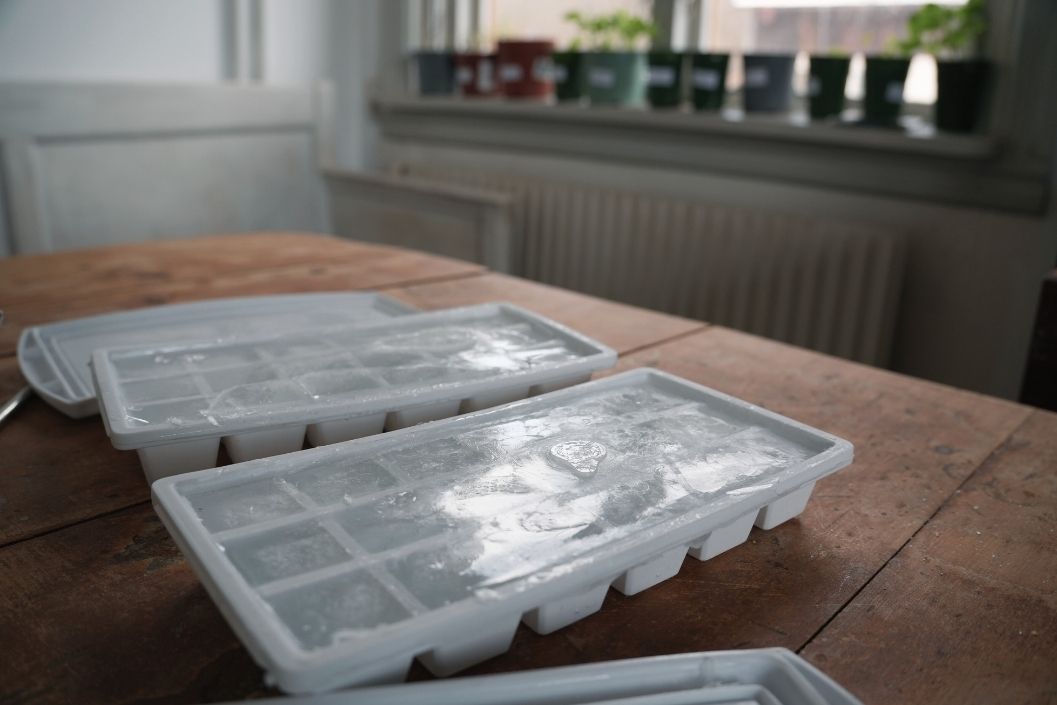
So far I have had the most success by freezing fresh birch sap in ice cubes. The fresher the better.
If you are interested in fermenting wild ingredients or cooking with them, stay tuned for upcoming courses in culinary herbalism.
Respect for Forests: Different Cultures, Different Views on Tree Care
In some places, like the Netherlands, where forests are less common, trees are often seen as valuable but not always treated with the care they deserve. Tapping into the body of a birch tree there can feel wrong for some, it can feel invasive, even heartbreaking. I understand that feeling, having lived there for more than thirty years.
For nature lovers in The Netherlands, it is often recommended to harvest birch sap from a branch, not from the trunk. As a Dutch herbalist once told me, 'A wound on a finger heals faster than one on the body.' This is a helpful perspective when considering the impact of tapping directly into the tree."
In contrast, here in Northern Sweden, nature is abundant. Forests stretch beyond the horizon. I think that when you grow up surrounded by endless forests, trees naturally feel less rare than they might to someone from a place where forests are few and far between. Here, using a tree is part of a natural, practical relationship with the land. One year, you tap its sap; the next, you harvest it for firewood. Tapping trees or foraging with large buckets is more common here. In the Netherlands, however, this would be almost unthinkable. Even illegal.
Having lived in both countries, I’ve seen the challenges of balancing nature’s needs with human activity. But by taking small steps, like tapping birch sap responsibly, we can make a difference, no matter where we live.

Sources:
Zhao, J., & Xu, J. (2016). "Mineral composition of birch sap and its application in functional foods." Journal of Food Science and Technology, 53(7), 2587–2596.
White, R. S., & Smith, M. J. (2017). "Tree wound response and health impacts from tapping: A review of best practices." Arboriculture & Urban Forestry, 43(3), 126-133.
Germano, D. J., & Benson, J. D. (2013). "Sustainable tapping of birch sap and its ecological impact." Forest Ecology and Management, 314, 40–46.